
The Shift: Insights by The Digital Monkeys
Everyone has a Black November offer. Who has a plan for the customer?
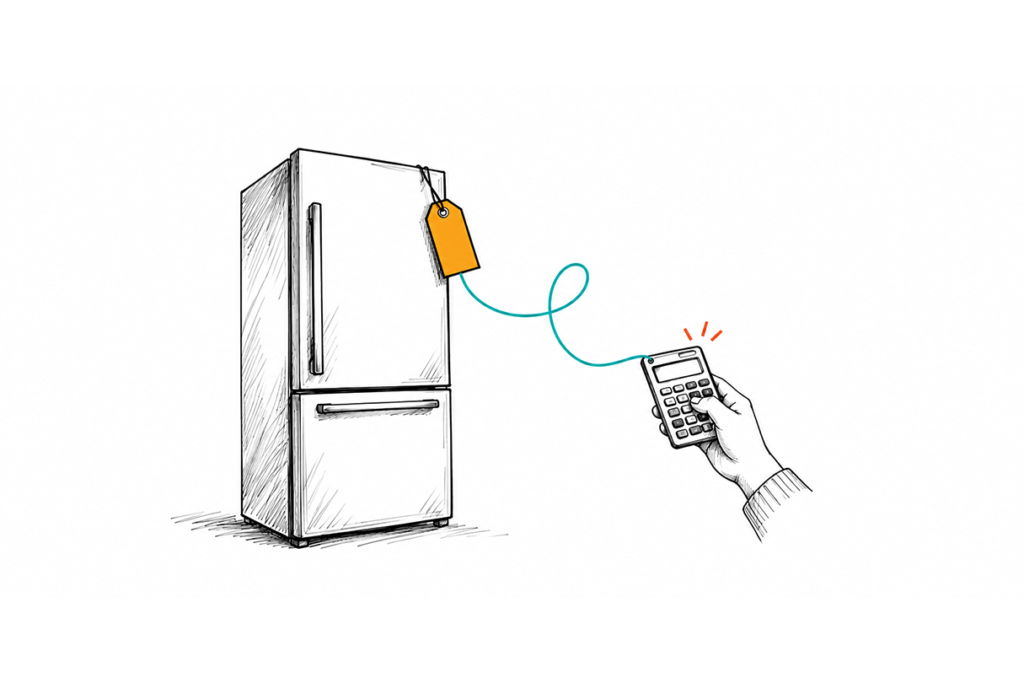
You have been watching the price of a fridge for months. This November, it finally drops.
You open the offer, check the specifications and reach for your calculator. Can you pay for it now? What will remain for rent, school fees and
everything else?
On the other side of the screen the retailer is also making calculations. Stock, payments, deliveries and the margin left after the discount.
Will this campaign help me hit my Q4 financial targets?
Both sides have a financial decision to make.
Retailers have long used promotions to influence which brand people choose, when they buy and how much they purchase. Research
distinguishes these effects because a successful promotion can change several behaviours at once.
Black Friday campaigns are a hot spot for these promotions scaling back from 2014 in Kenya.
Everybody loves a good discount and as a seller you get to hit your targets. However, this is not a picture perfect marriage. No one tells you
what happens after the honeymoon phase of buying your fridge fades into dealing with rotting groceries.
1. What’s changing?
Usage, preference, and potential ad audience have split into three different rankings.
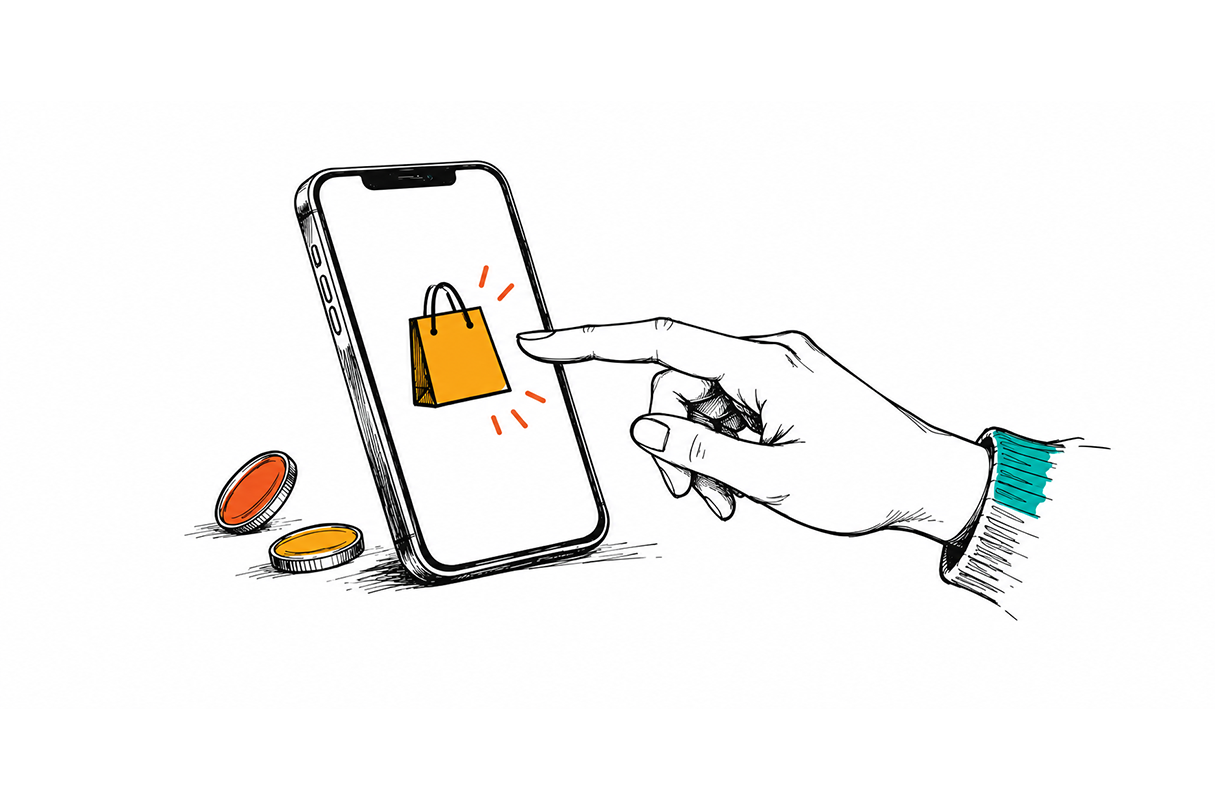
That fridge offer on your phone sits within a measurable change in Kenyan behaviour.
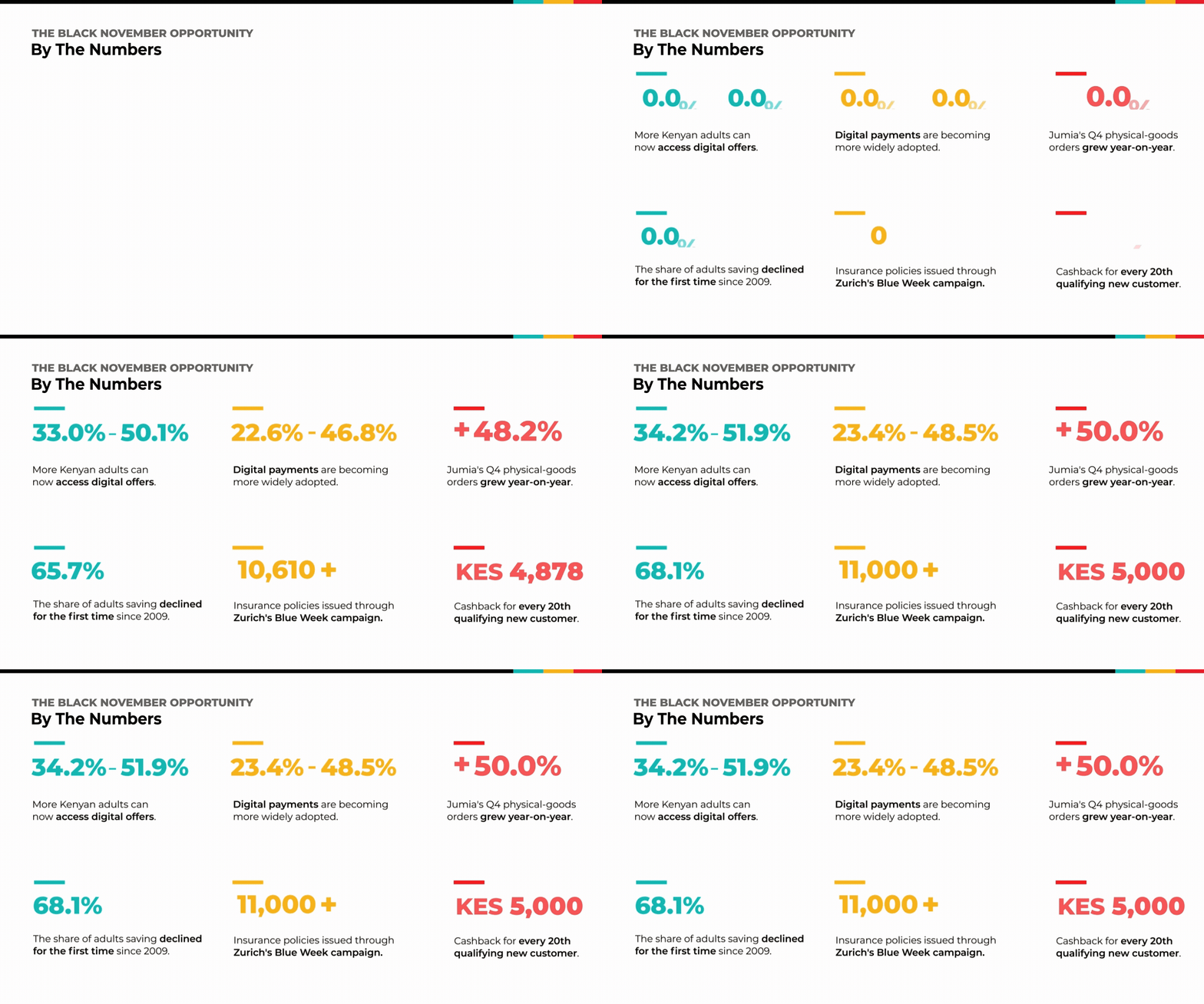
Between 2021 and 2024, adult smartphone ownership rose from 34.2% to 51.9%. Use of advanced digital payments, including Paybill, Till
and Pochi la Biashara payments, increased from 23.4% to 48.5%.
For financial marketers, this means a larger audience can encounter a proposition and take action through digital channels.
There is also recent evidence of commercial activity around the season. Jumia reported 50% year-on-year growth in Kenyan physical-goods
orders during Q4 2025, with management identifying Black Friday as a contributor.
Yet the money behind the purchase has other demands. FinAccess 2024 recorded a decline in the share of adults saving to 68.1%, the first
decline since 2009. Furthermore, FSD Kenya reports that savings and credit are increasingly directed towards daily needs and emergencies
rather than investment.
Pesa Iko, Shida Ni Matumizi
Customers are more digitally reachable and we are in the middle of an intensive commercial season. The opportunity lies in helping Kenyans navigate their competing priorities with the right financial commitments.

2. Where is the evidence?
Financial products can have their own place in the occasion.
Your planned fridge purchase is a useful starting point. You have a need, you have been comparing options, and the offer gives you a reason
to reconsider the timing.
Research on consumer psychology by marketing professors Jane Boyd Thomas and Cara Peters identified that experienced Black Friday
shoppers rely heavily on strategic planning to achieve a sense of accomplishment .
Their findings help explain why a seasonal proposition can enter a decision already under consideration.
Two financial campaigns illustrate different ways to participate.
Zurich Insurance Group shows how to make protection the attraction.
In 2024, Zurich Brazil launched “Blue Week” (using their corporate colour to stand out from black friday) where they offered insurance
discounts to their customers for the week.
By turning insurance into a time-limited seasonal campaign, they piggybacked off the holiday shopping hype. Thus making buying
protection feel like participating in a major retail event.
Resulting in over 11,000 policies issued in 2024. Proving that you can create an occasion around buying your own products.
Standard Chartered shows how to connect an incentive to usage.
Its 2020 Black November campaign in Kenya offered KES 5,000 cashback to every 20th qualifying new customer who opened an account
through their mobile app.
However, you had to spend KES 5,000 using the new Gold Debit Card. Opening the account alone did not complete the qualifying action.
Therefore, for any campaign, what useful customer action should the offer encourage?
3. What does this mean?
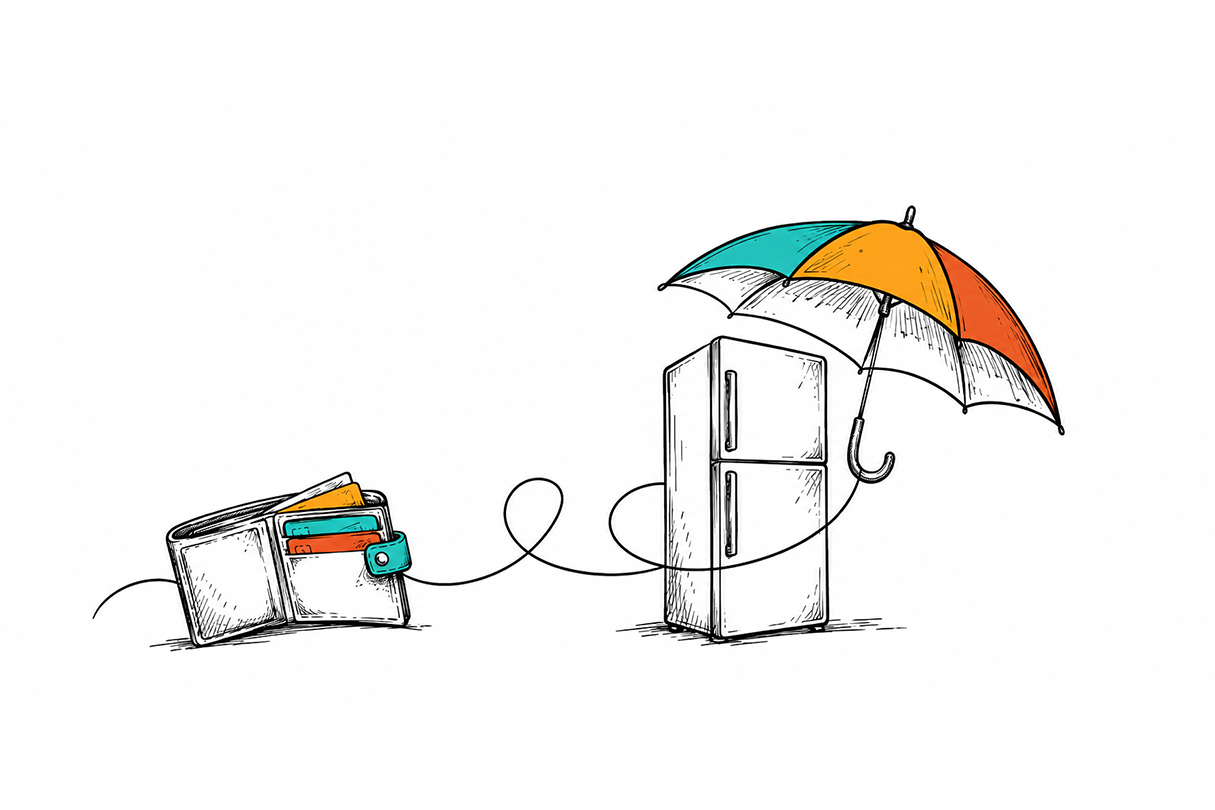
Before buying that fridge, you need to understand what you can afford.
A bank could make an existing savings or budgeting feature part of its November communication, helping customers allocate money
towards a planned purchase.At checkout, you need a payment method you understand and can use.
A relevant banking proposition could combine convenience with a clearly explained benefit and transparent costs to the customer.
For the retailer, the sale needs to become usable money. A bank could focus on reliable collections, reconciliation and appropriate support
for seasonal cash flow.
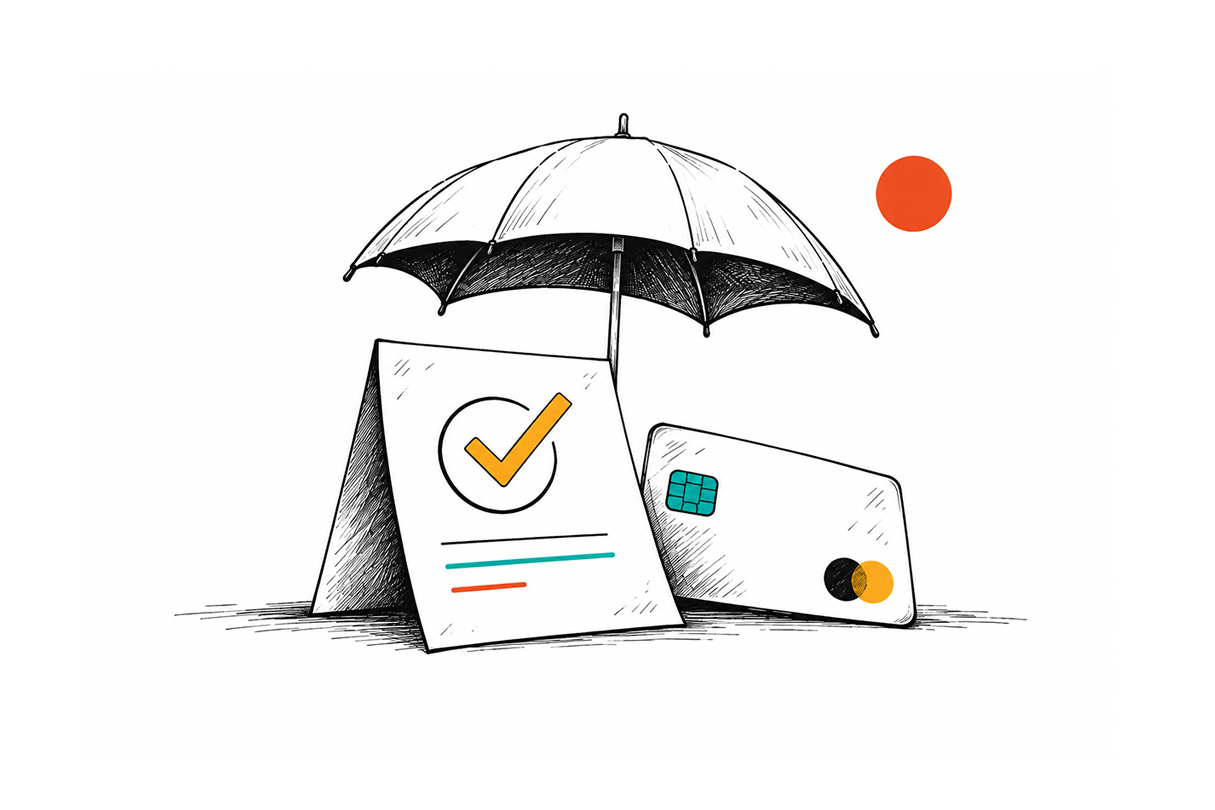
Once the fridge arrives, you have something valuable to protect.
An insurer could make suitable household cover easier to evaluate, explaining eligibility, exclusions, excesses and how to obtain a quote.
For the retailer, the sale needs to become usable money. A bank could focus on reliable collections, reconciliation and appropriate support
for seasonal cash flow.
These are possible roles to test against actual customer questions. Each connects a product to a specific decision and a commercial
objective: retained savings, active payment usage, suitable policy purchases or merchant activity.
The customer’s wider financial position matters throughout.
A plan for the customer connects the promotional benefit with what happens after uptake. The offer, application and ongoing service should support the same need.
4. What can you do this November?
Improve one journey you already have. Start with one existing product, one customer barrier and one action you want to earn.
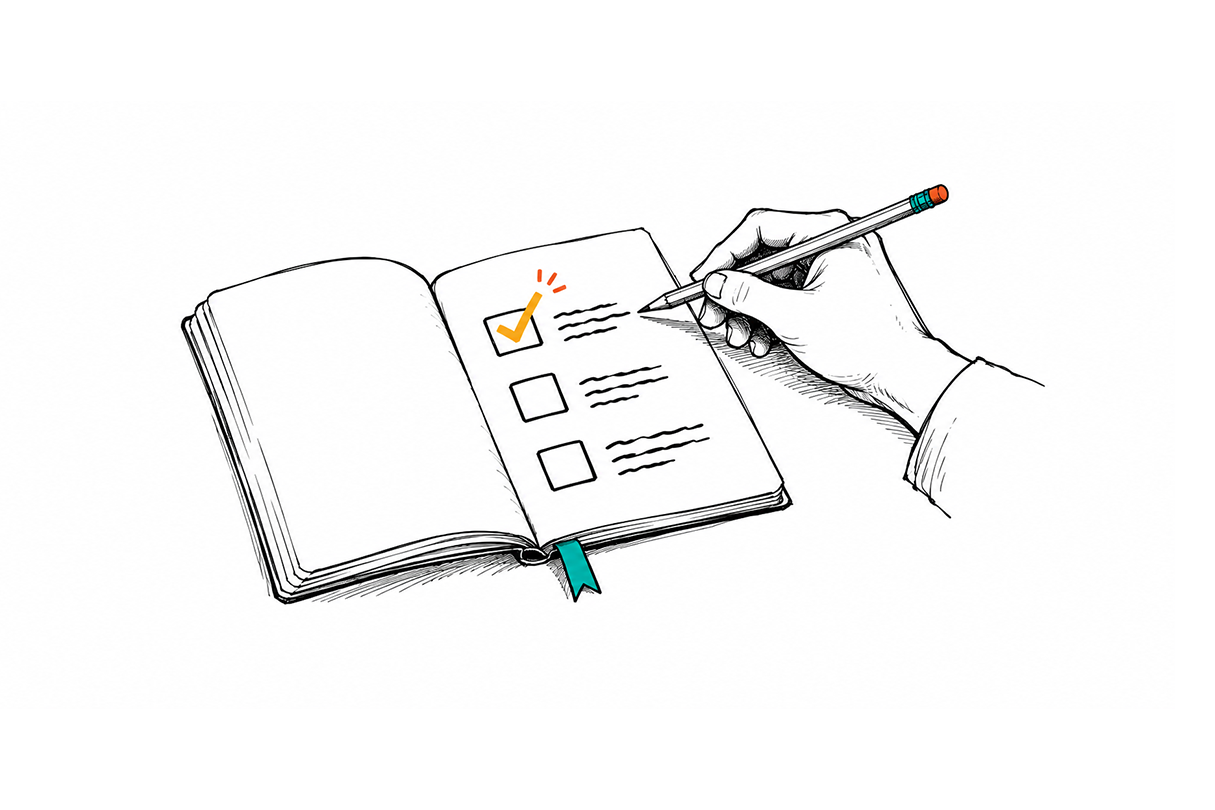
Find the barrier. Review recent customer queries, sales conversations and abandoned applications. Identify where interested customers hesitate: understanding the product, evaluating the cost, supplying information or completing the process.
Make a focused improvement. If insurance prospects struggle to understand cover, explain it clearly within the quote journey and provide timely assistance. If customers open accounts but do not use them, make the first useful transaction straightforward and any incentive conditions explicit.
Follow the outcome. Track completed actions and what continues afterwards. For insurance, that could mean completed policies and sustained cover. For banking, it could mean repeat transactions or retained balances.
You do not need to rebuild your entire offering this month. A focused improvement can test whether your institution is addressing a real need and inform a stronger programme next November.
The customer has found the fridge at a good price. The retailer has made the sale. Your institution can earn its place by helping the financial decisions around that purchase work well.
Comments are closed